Trading at the wrong time is a mistake many a player has made.
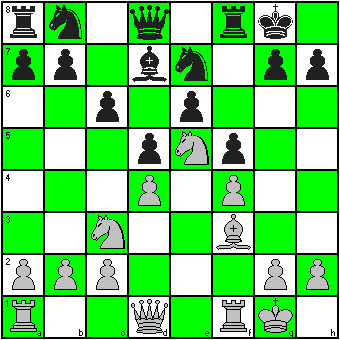
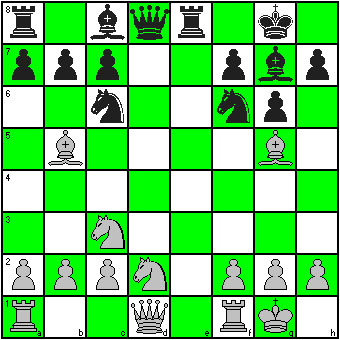
Trading because you can. This example is taken from an actual game I played. The position is not perfect to the game because it is from memory. (If I can find the game score I will fix it, it should also make a bit more sense) I am black, it is white to move.
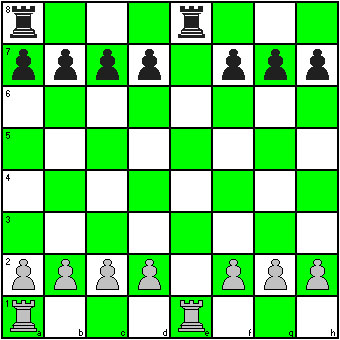
Black has some issues to deal with while white has far fewer. White decides to solve blacks problems for him, starting with Bxc6. Pawn takes back. Bxf6, bishop takes back. This leaves us with:
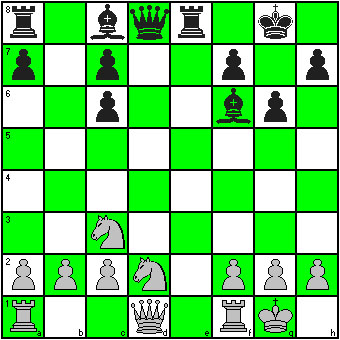
White has used his initiative to remove tension on blacks pieces, free black bishops, and not develop any of whites pieces. Black has only been weakened by the doubling and isolation of his pawns, but in exchange black has gained the removal of two pins, and two tensions. If white continues to solve blacks problems, black will be sitting pretty. In the actual game that is exactly what happened.
Why did white take with his bishops? Answer is psychological. The tension white had on the knights exist for both players. Blacks tension is obvious. Whites tension stems from the fact that (for a weaker player) he has to decide each turn whether or not to trade an even trade. (Most trades are not really even) He is looking onto the board for something to do and he has two possible even trades he can make at his leisure. He does not yet have the idea of building up the tension, he only knows his own. So he makes those trades and then with a feeling of relief, thinks to himself, "ok now I have a clear board to play with."
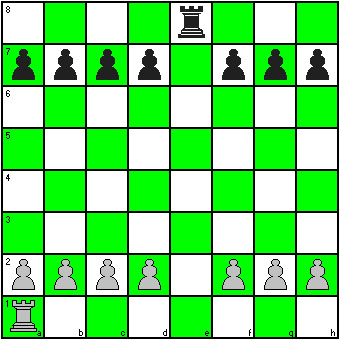
In general, TRADING JUST BECAUSE YOU CAN IS BAD. Make sure you only trade for a reason. THERE SHOULD ALWAYS BE A REASON FOR EVERYTHING YOU DO IN CHESS. " because I can," is not a reason.Lets look at this fictional example. Is it good for white to trade knights?
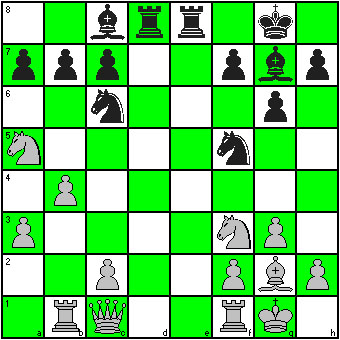
This example is a screenshot from Yahoo Games, Chess. I am black, the last move is highlighted.
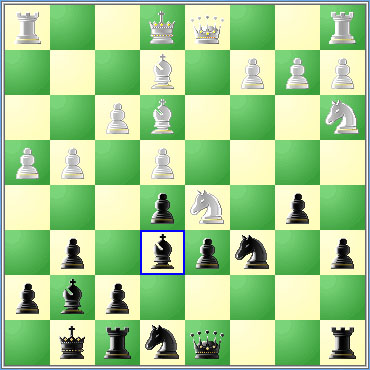
My position is cramped. My mobility is greatly reduced by my own pieces. This is a reason to trade. An even trade here means that I have fewer pieces to get in my own way. The fact that we have even material simplifies the calculation. In this position even trades are good for black.
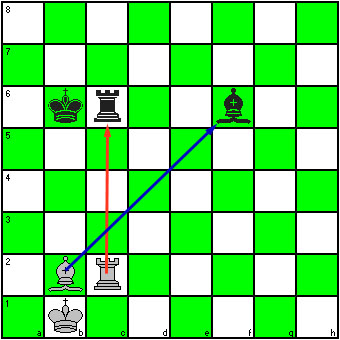
Another concern here is whites potential pawn storm. White could push his pawns on my king at any time. If I can make my even trades with pieces near the pawn storm that would be even better. This is called trading off the attack. On the other hand, whites a3 knight and a1 rook are not part of the action, I would not trade them off even if I had an opportunity. Trading those would not weaken whites attack, but it would lessen my defensive options.Trading good pieces for bad ones. This usually also happens for the same reasons as Example 1. Lets look at this position.